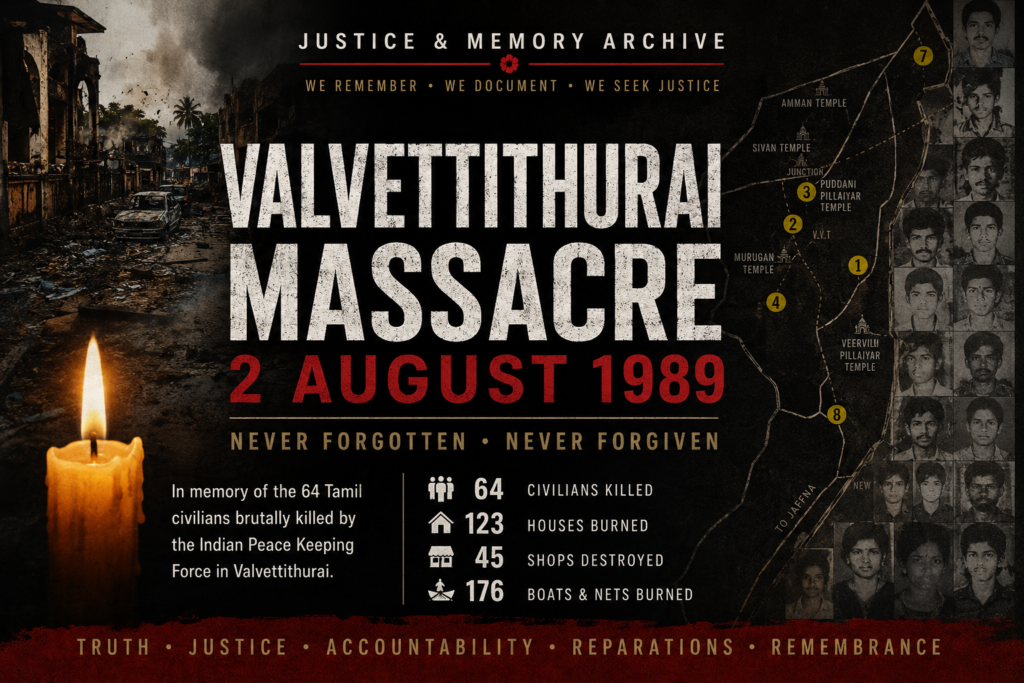
வல்வைப் படுகொலை — 2 ஆகஸ்ட் 1989
A Living Historical Archive — Established 2026
Justice & Memory | நீதி & நினைவு
Documenting the victims, eyewitness accounts, historical records and continuing search for the complete truth about the events of August 1989.
Valvettithurai Massacre — 2 August 1989
On 2 August 1989, the coastal town of Valvettithurai in northern Sri Lanka witnessed an episode of violence involving members of the Indian Peace Keeping Force (IPKF) that remains deeply embedded in the collective memory of the town.
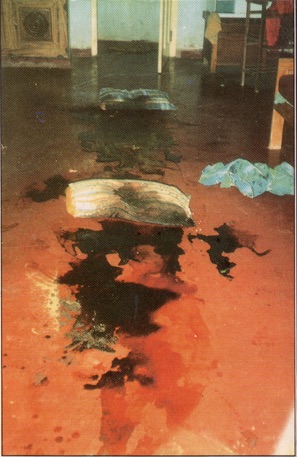
Following an armed confrontation between the Liberation Tigers of Tamil Eelam (LTTE) and the IPKF, in which Indian soldiers were killed, numerous Tamil civilians were subsequently reported killed and injured. Homes, shops, vehicles and other property were also reported burned or destroyed.
Contemporary accounts from residents, journalists and human-rights organisations described civilians being deliberately killed. Indian authorities disputed this characterisation and maintained that civilian deaths occurred during armed confrontation and crossfire. The circumstances surrounding individual deaths, the complete sequence of events and questions of responsibility remain matters requiring careful historical documentation.
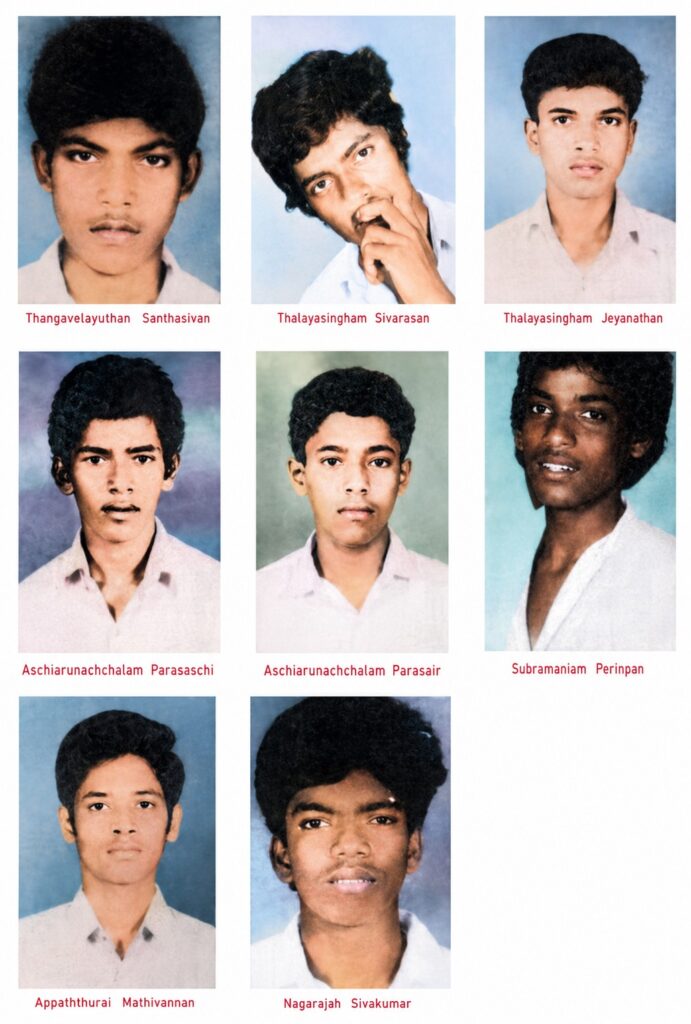
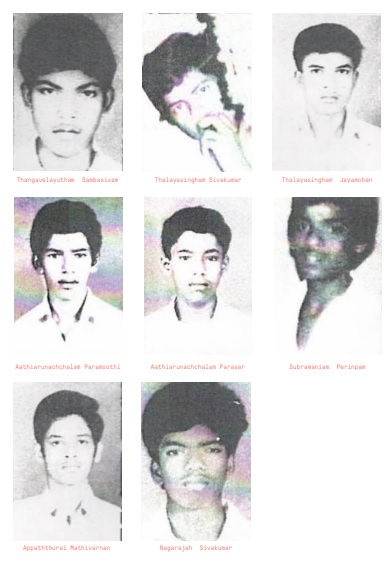
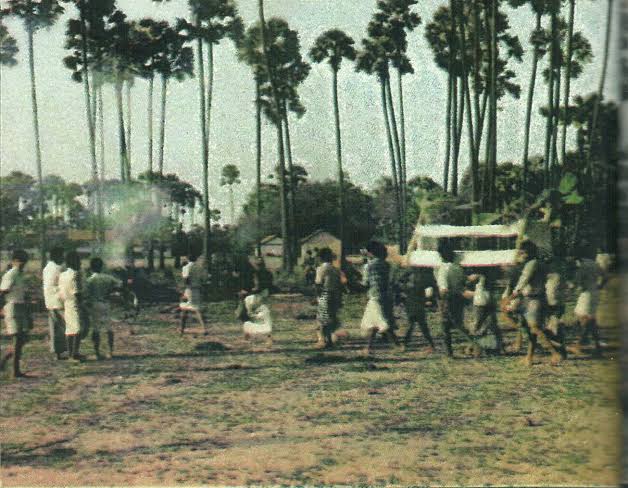
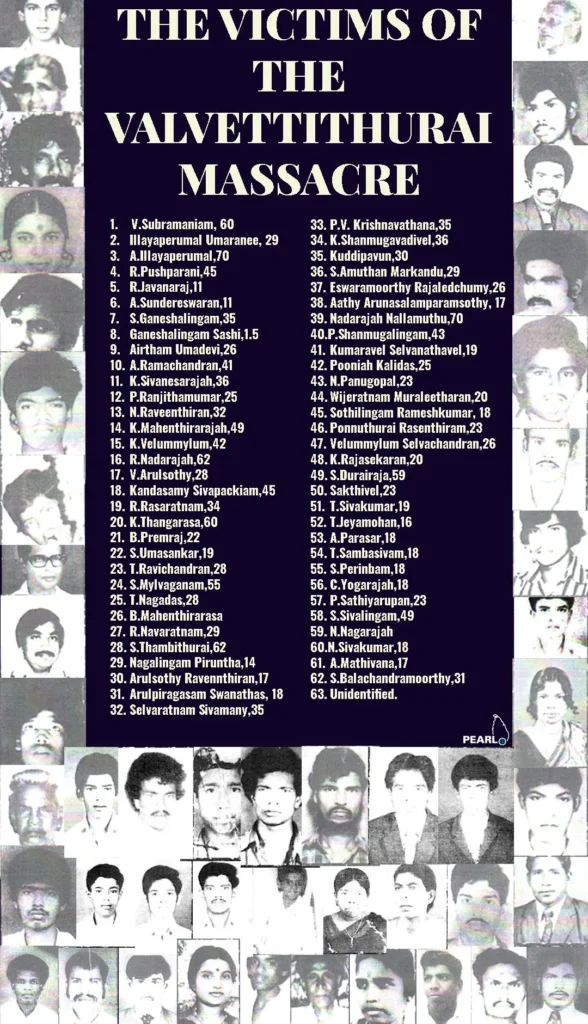
Local records and subsequent human-rights documentation have commonly recorded 64 identified people killed and a further 12 missing and presumed dead, alongside dozens of injured residents and extensive destruction of civilian property.
But numbers alone cannot adequately document what happened.
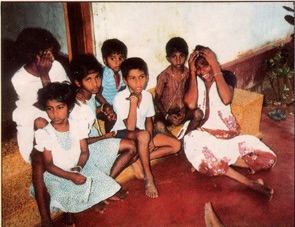
Behind every number was a person: a name, a family, a home and a life.
This archive has therefore been established by Valvettithurai.online in 2026 to collect, preserve and examine the available historical record of the events beginning on 2 August 1989.
It is intended to remain a living archive.
As additional documents, photographs, contemporary reports, eyewitness testimony and other credible evidence become available, this record will continue to grow.
About this archive
Where different sources provide conflicting accounts or figures, those differences will be recorded rather than silently resolved.
The archive will be corrected and expanded when stronger evidence becomes available.
This project distinguishes between documented fact, eyewitness testimony, contemporary reporting, official claims and matters that remain disputed or unverified.
Historical material will be attributed to its source wherever possible. Eyewitness testimony will be identified as testimony and preserved in the witness’s own meaning and recollection.
Our purpose is not to make the historical record fit a predetermined account. Our purpose is to preserve the evidence so that the historical record can speak for itself.
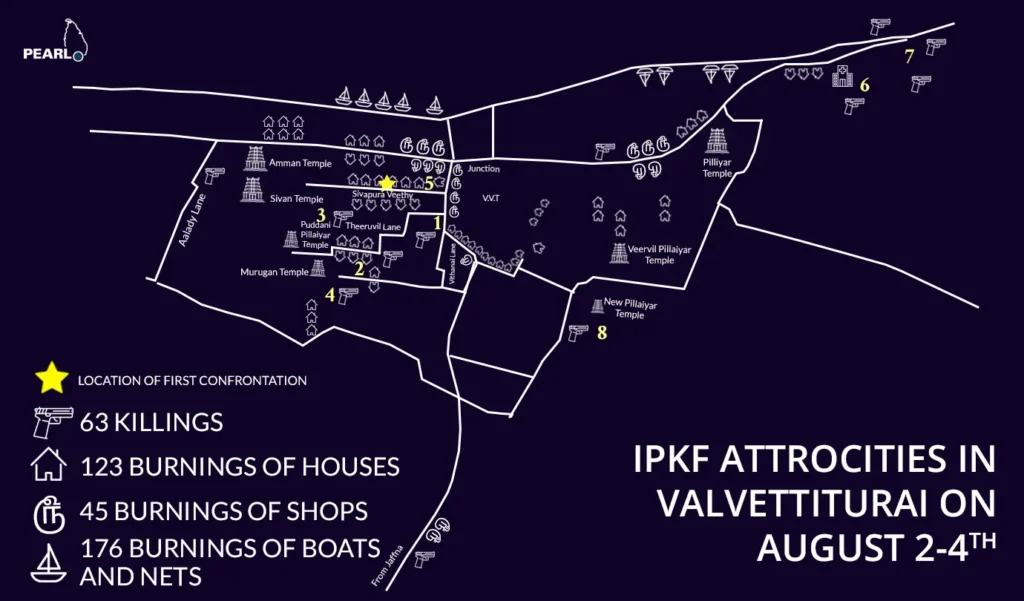
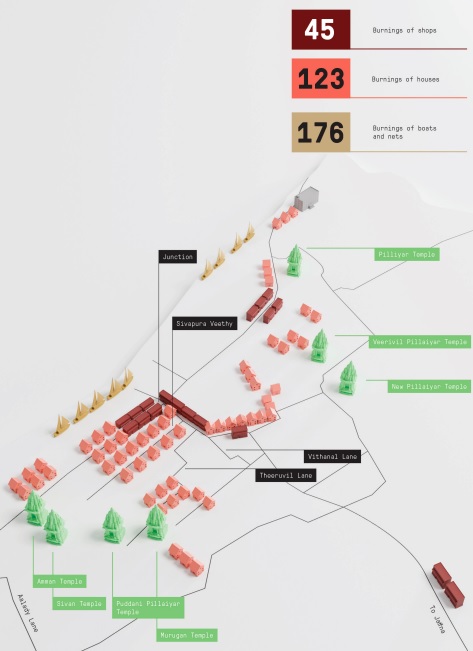
What Happened: 2–4 August 1989
The Initial Confrontation — approximately 11:15 a.m.
According to documentation subsequently compiled by Nadarajah Anantharajah and reproduced by PEARL, an armed confrontation between the LTTE and the Indian Peace Keeping Force took place at approximately 11:15 a.m. on 2 August 1989 near the market square in central Valvettithurai. Six IPKF soldiers were reported killed.
What happened after that confrontation forms the central subject of the Valvettithurai massacre allegations.
Survivor affidavits and subsequent documentation describe killings occurring at numerous locations across the town after the initial fighting had ended. They also describe civilians being removed from homes, shootings, assaults, detention, burning and destruction of civilian property, and restrictions that prevented wounded people from obtaining timely medical treatment.
The Indian government’s position was that civilian casualties resulted from crossfire. This account was disputed by survivors and subsequently challenged by other reporting and documentation. This archive preserves both the official position and the evidence challenging it.
Can You Help Complete This Record?
Were you in Valvettithurai between 2–4 August 1989?
Did you witness any of the events?
Valvettithurai.online is working to preserve this history.
Contributors may request that identifying information be withheld from public publication.