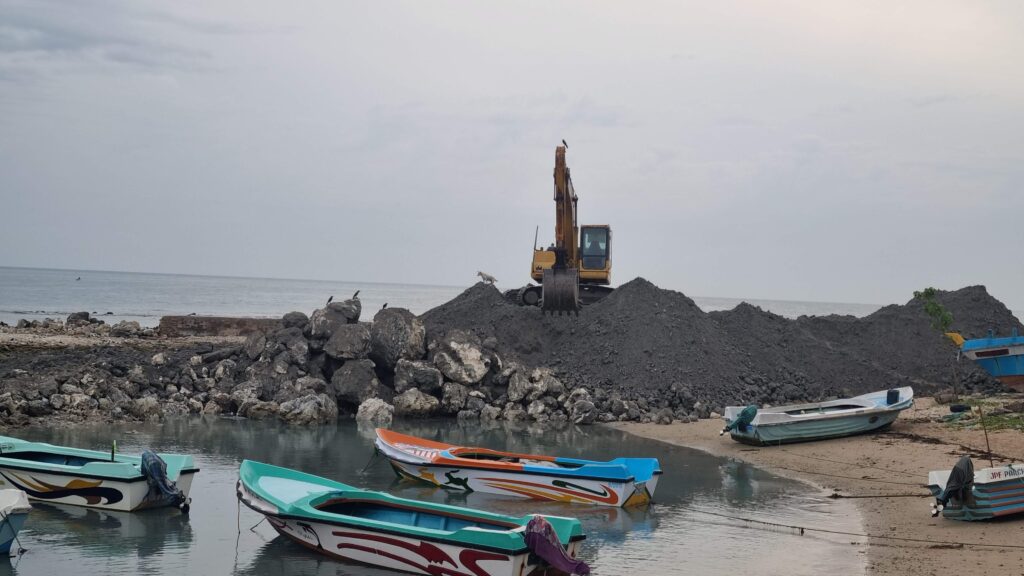
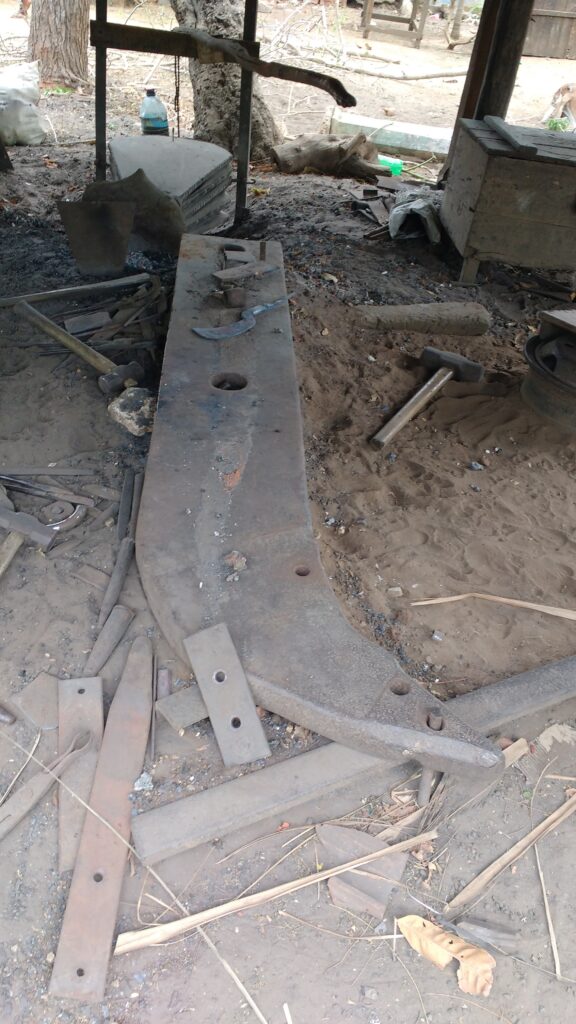
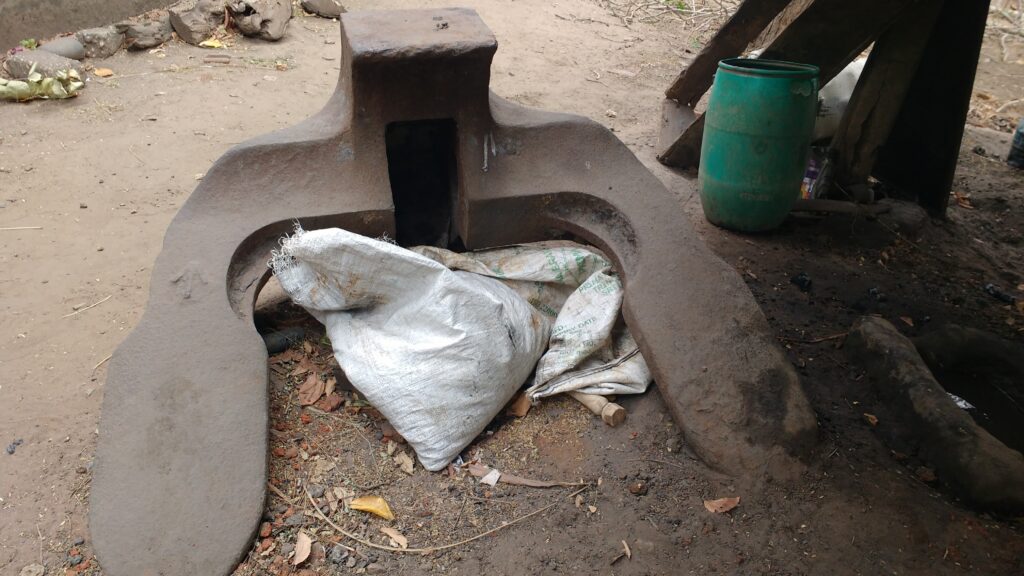
The Epics of the Ocean: The History of Valvettithurai Harbour
For centuries, the coastal town of Valvettithurai (VVT)—perched uniquely on the northeast coast of the Jaffna Peninsula—has shared an inseparable bond with the open ocean. Known colloquially as Valvai, its geographic positioning facing the Bay of Bengal transformed it from a simple coastal settlement into one of the most prominent, daring, and historically significant maritime hubs in the Indian Ocean region.
This is the history of a harbor built not just with stone and timber, but by the generational spirit of its legendary mariners: the Kadalodikal.
🏛️ The Ancient Roots: A Port of the Jaffna Kingdom
The maritime heritage of Valvettithurai tracks back deep into antiquity. According to historic folk etymology, the foundation of the settlement was laid by a Maravar chieftain known as Valliathevan, who was granted the coastal territory by the founder of the Jaffna Kingdom.
Over generations, a powerful coastal alliance emerged between the local seafaring clans through marriage, trade, and regional defense. The mariners of VVT were not mere merchant sailors; they were defensive naval assets. During the Portuguese conquest of the Jaffna Kingdom, the fiercely independent coastal chiefs of Valvettithurai mobilized their fleets, fighting valiantly under the leadership of Migapulle Arachchi to defend the sovereign borders of Jaffna King Cankili II.
🗺️ The Archives of the Palk Strait: VVT in 17th-Century European Cartography
The strategic maritime importance of Valvettithurai and the greater Vadamarachchi coast is deeply documented in early European colonial archives. Rare 1695 cartographic charts recovered from the National Archives of the Netherlands (VOC collection) explicitly detail the layout of the Jaffna Peninsula (Jaffanapatnam).
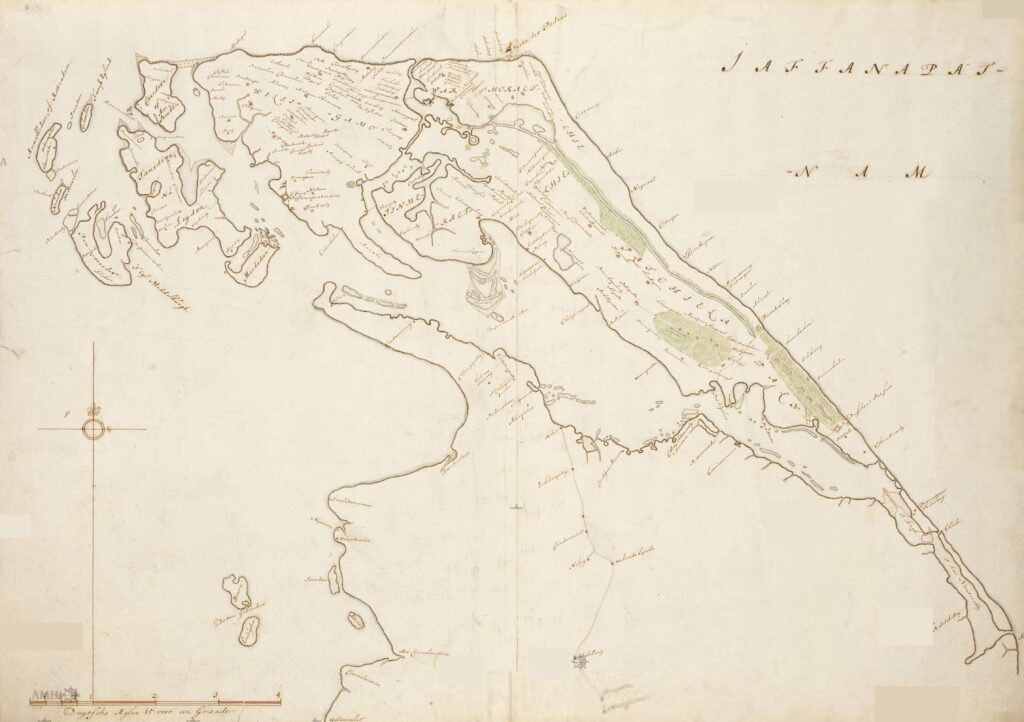
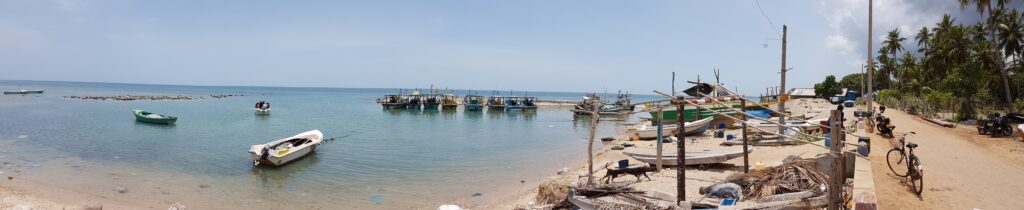
📸 [IMAGE PLACEHOLDER 1]
- Suggested Graphic: A wide-angle landscape shot of the modern Valvettithurai coast, historical map overlay of the Jaffna Peninsula, or a traditional Vaadi beachfront setup.
- Caption text: The historic waters of Valvai, which once hosted the formidable merchant and naval fleets of the Jaffna Kingdom.
⚓ The Era of the Kadalodikal & The Transnational Smuggling Trade
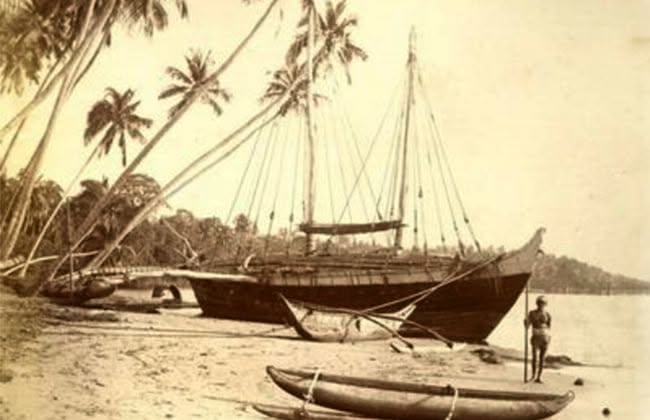
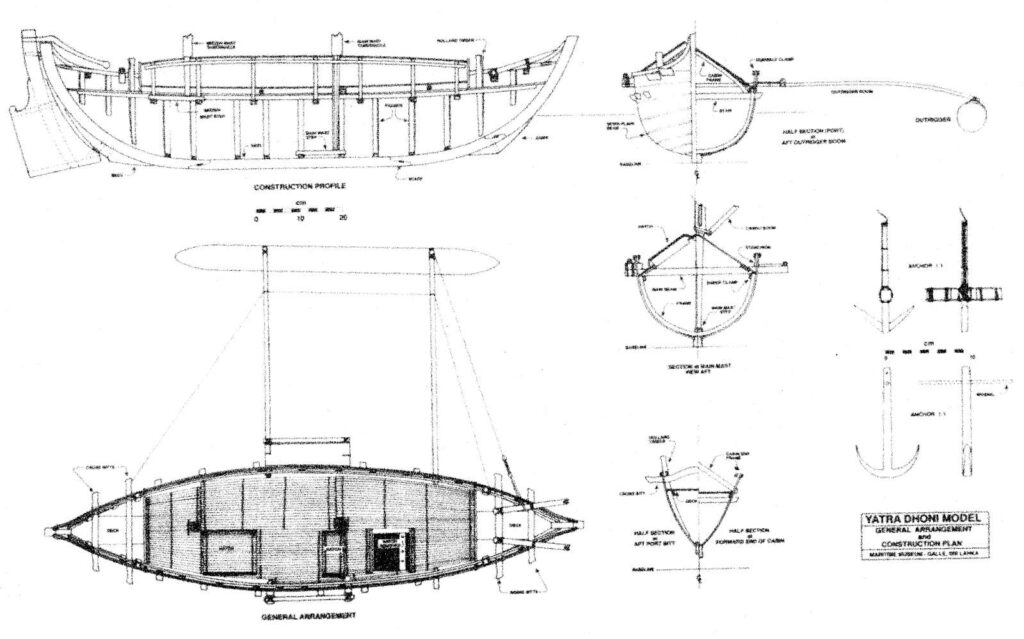
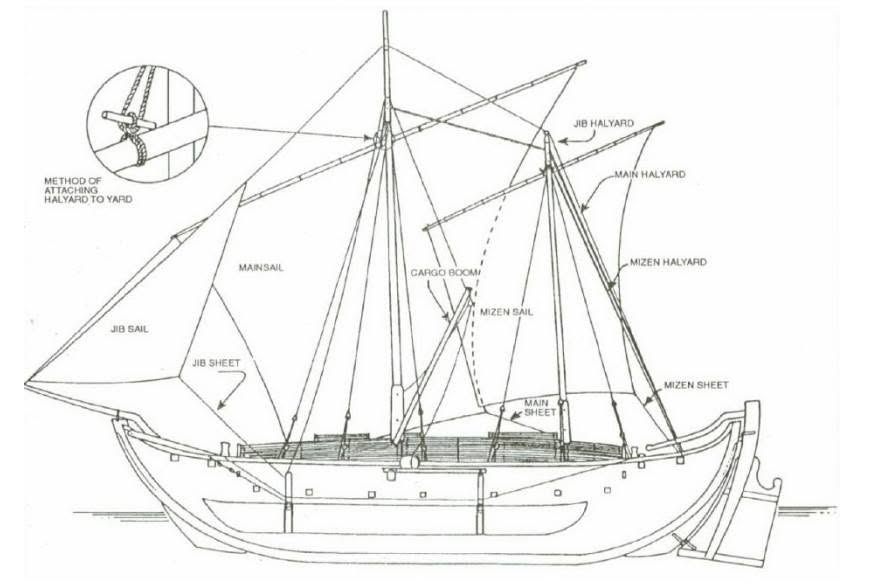
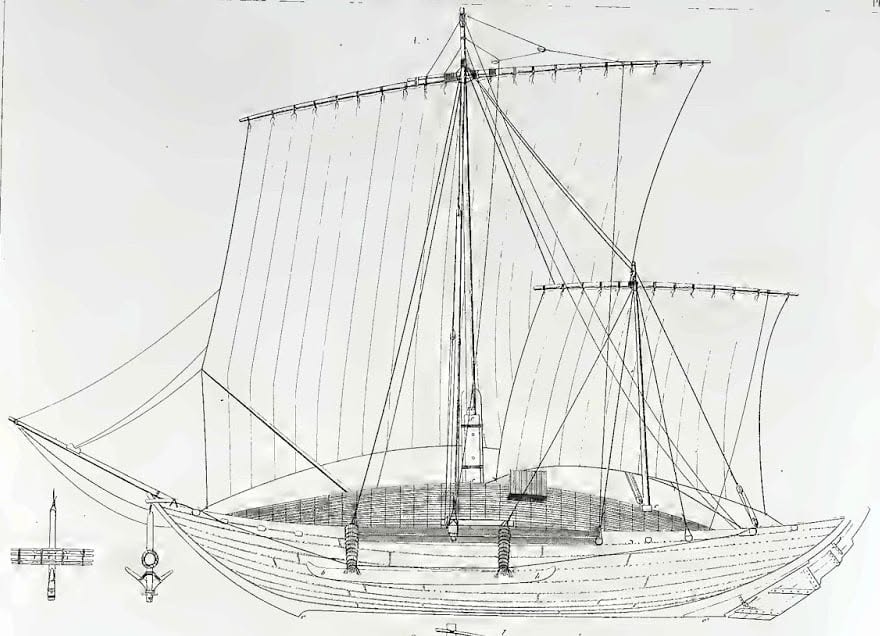
The golden age of the port was dominated by the Kadalodikal (the Tamil term for mariners). The wealthier merchant clans of Valvettithurai commissioned massive wooden cargo vessels known as Thonies. These locally engineered ships dominated the blue-water trade routes across the Bay of Bengal, establishing lucrative transnational shipping lines connecting the Jaffna region with the Coromandel Coast of India, all the way to the ports of British Burma (Myanmar).
However, geopolitical shifts in the 20th century radically altered VVT’s maritime trajectory:
- The Second World War: The Japanese occupation of Burma abruptly choked off the traditional rice and timber trade routes of the Kadalodikal, stalling the port’s economy.
- Colonial Independence: Following the departure of the British and the subsequent creation of the post-colonial Sri Lankan state, stringent trade restrictions and economic isolation policies were enacted.
True to their independent spirit, the mariners of VVT refused to let their maritime economy die. Leveraging their unrivaled knowledge of the treacherous Palk Strait currents, the sailors transitioned into a sophisticated, large-scale transnational trading operation between India and Sri Lanka. Defying state patrols in high-speed vessels, they bypassed economic blockades, earning VVT the legendary reputation of a fiercely independent “maritime frontier”.
⛵ The Miracle of 1937: The Voyage of the Annapoorani Ammal
The absolute pinnacle of Valvettithurai’s shipbuilding and navigation mastery came to light globally through a single vessel: the Annapoorani Ammal.
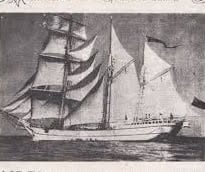
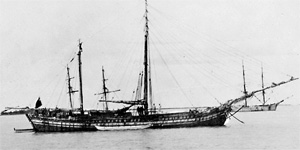
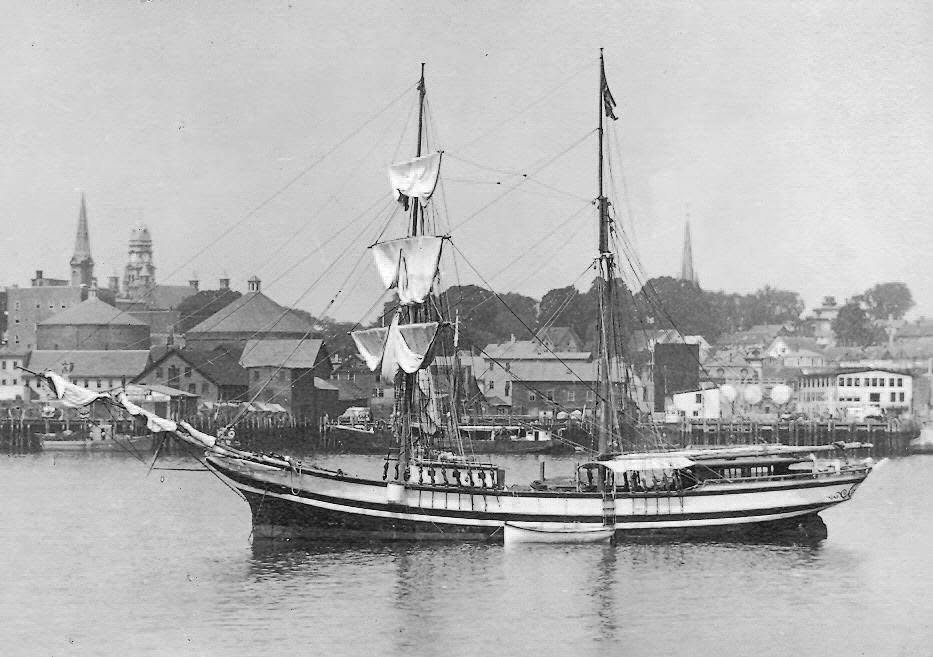
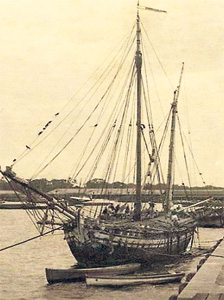
Constructed in 1930 by master craftsman Sundara Mestry at the western Vaadi yard in VVT, this traditional 90-foot brigantine (thoni) was built entirely of locally sourced neem timber. Her lines beautifully mirrored classic 19th-century warships.
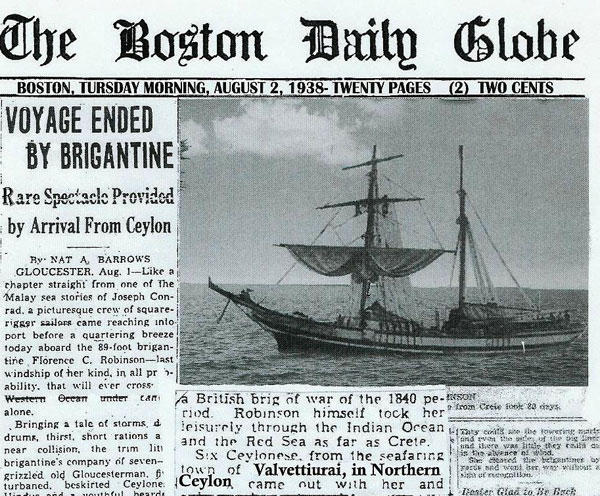
In 1936, a wealthy American adventurer and historic sailor named William Albert Robinson arrived in the waters of Ceylon. Captivated by the flawless craftsmanship and blue-water durability of the Annapoorani Ammal, he purchased the vessel, renaming her the Florence C. Robinson.
[ THE HISTORIC PAYLOAD: THE TRANSATLANTIC CREW ]
• Thandaiyal Kanagarathinam Thambipillai (Age 48) – Captain
• Thamotharampillai Sabarathinam (Age 28) – Chief Officer
• Aiyadurai Ratnasamy (Age 24) – Second Officer
• Along with three expert native mariners from the shores of Valvettithurai.
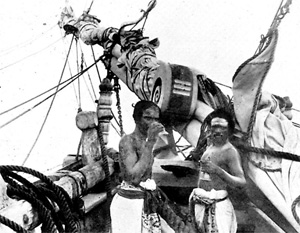
In a historic testament to Tamil seafaring capabilities, this bare-footed crew navigated the windship out of Asian waters, braved the volatile currents of the Indian Ocean, crossed the Red Sea, traversed the Mediterranean, and pushed across the vast Atlantic Ocean. On August 1, 1938, the vessel arrived triumphantly at the port of Gloucester, Massachusetts, USA—marking one of the first native South Asian-built wooden vessels to cross the Western Ocean purely under canvas sail.
🛕 The Temple Fleet and the Chettiar Merchants
While the physical labor, master engineering, and deep-sea navigation belonged entirely to the crewmen of Valvettithurai, the economic engine behind these vessels was a transnational partnership. Many of the massive cargo Thonies were commissioned by prominent Nattu-Kottai Chetty merchant families who had integrated into the VVT coastal frontier.
Every year, these grand merchant vessels would gather for a spiritual homecoming. In early 1938, the Annapoorani Ammal stood proudly at the absolute vanguard of the annual maritime fleet parade during the Valvai Muthu-maariamman Kovil Theertha Thiruvizha (Theertham Temple Festival). It was during this very festival cycle, amidst a sea of sails, that visiting American journalist and yachtsman William A. Robinson first spotted her flawless hull. To the Western eye, she didn’t look like a standard merchant barge; her design lines directly preserved the hull specifications of an elite 19th-century British Royal Navy frigate, bearing an uncanny resemblance to the legendary windship HMS Bounty.
🏗️ Preserving Our Heritage
Today, Valvettithurai Harbour stands as a quiet guardian of an immense history. The physical docks, the ancient Vaadi yards, and the stories of the Thandayals (captains) represent a foundational pillar of our global identity.
As we look toward the future, this portal serves to preserve the rare documents, fading photographs, and oral histories of Valvai’s maritime empire. If you possess historical materials, family logs, or vintage photographs of the old port and its legendary ships, we invite you to contribute and help keep our collective heritage alive for generations to come.