By
Ilakku Web 2.0
Published: June 15, 2026
A high-stakes geopolitical drama is unfolding in real time. Just hours before the United States and Iran were expected to finalize a historic peace agreement in Switzerland, a sudden Israeli airstrike targeting the Dahiyeh district of Beirut has sent shockwaves through the diplomatic backchannels.
The fallout has triggered a massive damage-control campaign by Washington, involving multi-billion dollar financial incentives to Tehran and stark warnings to Jerusalem.
Here is the full breakdown of the chaos behind the scenes, drawing directly from the latest analysis by regional expert Dr. Arus and international reports.
💥 The Sabotage in Beirut
According to Dr. Arus [01:14], the diplomatic timeline was thrown into chaos on Sunday morning when Israeli jets struck Lebanon. The target was reportedly a senior Hezbollah commander, though the true casualty appeared to be the US-Iran peace agreement itself.
The timing of the strike infuriated the White House. U.S. President Donald Trump publicly condemned the action [01:27], stating that the attack “should never have happened”—especially on a day when Washington and Tehran were on the verge of finalizing their truce.
Trump suggested that Jerusalem knew the signing was imminent and deliberately moved to disrupt the peace process [01:48]. While the US President downplayed the damage, noting no major casualties, local reports confirmed at least three dead and over 15 wounded.
The Israeli Strategy: According to Dr. Arus, Israel’s long-term plan appears to be the deliberate disruption of any peace agreement between the US and Iran [01:58].
💵 Buying Time: The $12 Billion Incentive
Following the Beirut strike, Iran immediately prepared for retaliation [06:11]. Fox News reporters in Israel warned that an Iranian response was imminent, recalling a similar incident the previous week that prompted Iran to launch 30 ballistic missiles at Israel [06:24].
To prevent a regional war that would permanently destroy the deal, the White House reportedly moved to sweeten the pot for Tehran.
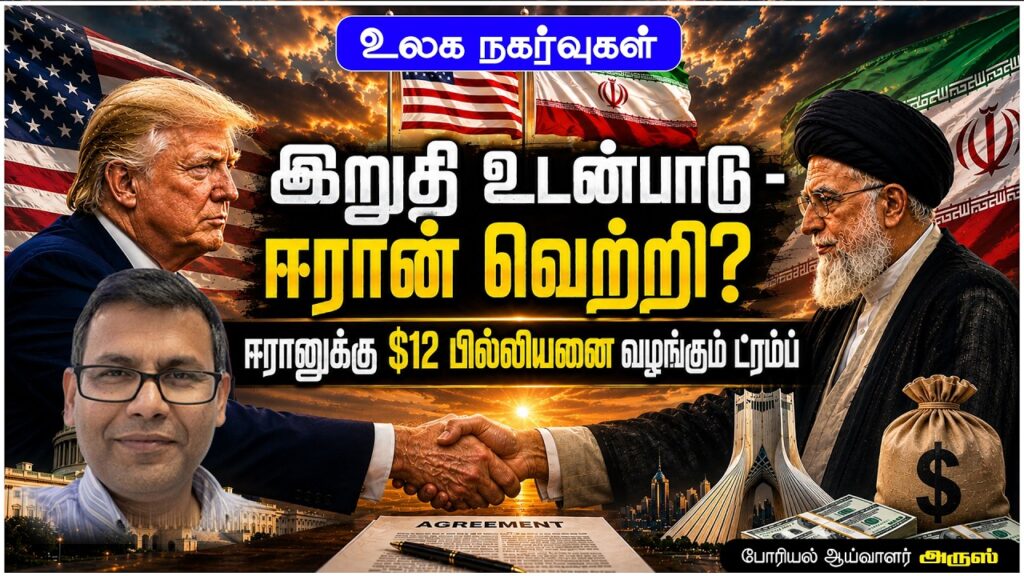
According to Iranian media reports cited by Dr. Arus, the U.S. has offered a massive financial package totaling $12 Billion in unfrozen assets to convince Iran to halt its retaliation [08:49].
In addition to the cash, the U.S. reportedly offered a significant geopolitical concession: demanding the total withdrawal of Israeli ground forces from South Lebanon [12:47]—a demand Prime Minister Benjamin Netanyahu has flatly rejected [08:19].
✈️ THE FIRST INSTALLMENT:
Reports indicate that a special flight from the UAE (a Boeing 737) breached regional airspace restrictions to land at Mehrabad Airport in Tehran on June 8th, delivering an initial $3 Billion cash installment [00:13:37].
🚢 The Terms of the Deal: Who Won?
Despite the explosive setback, Iran’s Deputy Foreign Minister confirmed that the underlying framework of the deal has been finalized, with the official signing moved to this coming Friday in Switzerland [11:29].
According to Tehran, the agreement includes the following major victories for Iran [11:53]:
- The Blockade Ends: Immediate termination of the U.S. naval blockade on Iranian waters [11:40].
- The Strait Reopens: The Strait of Hormuz will be reopened to global commercial transit under a joint legal framework managed by Iran and Oman [12:20].
🛑 The Wildcard: Is Israel the Biggest Obstacle?
The events of the last 24 hours highlight a startling reality: The White House’s biggest obstacle to peace might be its closest ally.
Reports from Israel’s Channel 14 confirm that Netanyahu held an emergency meeting in an underground bunker with top IDF generals to prepare for Iranian retaliation [05:47]. The White House reportedly ordered Israel to avoid striking back if Iran retaliated [08:06], but Netanyahu remains defiant.
💭 A Warning from History
Dr. Arus highlighted a recent statement from former President Barack Obama regarding the situation, cautioning against the belief that deep foreign policy issues can be solved through sheer intimidation or bombing [15:36].
While President Trump claims the “deal is done” [14:25], Dr. Arus notes that the reality on the ground is far more precarious. Until the Strait of Hormuz is actually open and the ink is dry in Switzerland, the entire agreement remains on a razor’s edge [16:55].
📺 Watch the Full Breakdown
For a deep dive into the geopolitical chess game surrounding the US-Iran deal, watch the full analysis by Dr. Arus below: