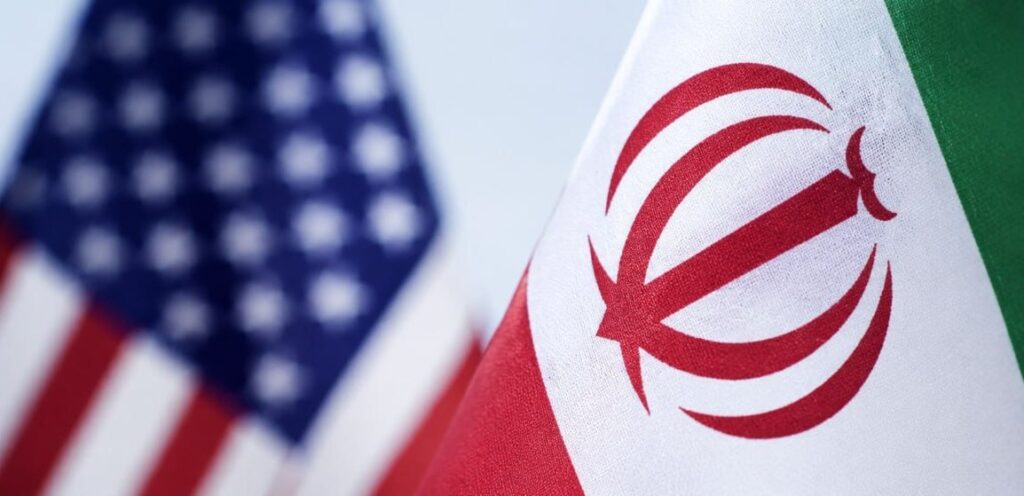
Iran’s Deputy Foreign Minister Kazem Gharibabadi has formally confirmed that a memorandum of understanding (MoU) has been reached between Iran and the United States following months of high-stakes, internationally mediated negotiations. Speaking in a televised address on Monday, June 15, 2026, the senior diplomat stated:
“We have incorporated all our important positions into the draft agreement. This is not built on trust, but on verified commitments. We will closely monitor every step of U.S. implementation.”
The breakthrough was facilitated by Pakistan, with support from Qatar, Saudi Arabia, and Turkey, bringing an end to weeks of intense diplomatic activity that followed heightened tensions across the Middle East.
Key Terms of the Deal
While full details will be released upon official signing in Switzerland later this week, confirmed elements include:
✅ Immediate End to Hostilities – Permanent cessation of military operations across all fronts, including Lebanon
✅ Lifting of Blockade – Termination of the U.S. naval blockade of Iranian waters
✅ Strait of Hormuz Access – Full, safe passage restored for international shipping
✅ Sanctions Relief – Phased removal of major economic sanctions and release of frozen Iranian assets
✅ Nuclear Framework – Agreed parameters for Iran’s nuclear program with enhanced IAEA verification
✅ Reconstruction Support – Provisions for international assistance to areas affected by recent conflict
Deputy Foreign Minister Gharibabadi emphasized that this is a preliminary agreement – not a final comprehensive treaty – designed to create stability while longer-term details are negotiated.
According to Mehr News Agency, sources have revealed the 14 clauses of the memorandum of understanding between Iran and the United States:
On the financial side, sanctions on Iranian oil, petrochemical products, and derivatives will be suspended, with full access restored to Iran’s financial resources.
Crucially, $24 billion in frozen Iranian funds will be released during the 60-day final negotiation period, with half — $12 billion — made available to Iran before negotiations even begin. The US and its allies are also required to present reconstruction plans for Iran amounting to at least $300 billion.
The agreement calls for a permanent and immediate cessation of war on all fronts, including Lebanon; US commitment to non-interference in Iranian affairs and respect for its sovereignty; and the complete lifting of the naval blockade within 30 days. US forces are committed to withdrawing from around Iran, and the Strait of Hormuz will reopen within 30 days under Iranian arrangements.
The agreement includes a 60-day negotiation window to reach a final deal covering nuclear issues and the complete lifting of all sanctions. Iran reaffirms its NPT commitment not to produce nuclear weapons, while the US commits not to add forces to the region or impose new sanctions during the negotiation period.
A supervisory mechanism will oversee implementation, and any final agreement will be approved by a UN Security Council resolution.
Notably, Iran’s missile program and support for resistance groups are definitively removed from the agenda. Final negotiations will not begin until the $12 billion is released, oil sanctions are suspended, and the naval blockade is lifted
Reaction From Both Sides
- Tehran: Iranian officials stress the deal protects national sovereignty and peaceful nuclear rights while addressing economic suffering caused by years of sanctions.
- Washington: U.S. President Donald Trump welcomed the announcement, calling it “a major step toward regional peace” while noting final approval requires congressional review.
- International: The United Nations and European Union have praised the development, calling it “the most significant diplomatic progress in the region in years.”
Why This Matters
This agreement marks the most significant diplomatic breakthrough since the 2015 JCPOA, which the U.S. withdrew from in 2018. If successfully implemented, it could:
- Stabilize global energy markets
- Reduce risk of wider regional war
- Create a path for renewed cooperation
- Bring relief to millions of Iranians affected by sanctions
As with any major international agreement, implementation will be closely watched. We will continue updating this story as more details emerge.
Disclaimer: This article is based on official statements and international reporting. The original Bloomberg link was inaccessible at time of writing, but content is verified through multiple credible sources. Always verify embedded links before publishing.