Updated: July 2026
The Chemmani Mass Graves, located on the outskirts of Jaffna, remain one of the most significant and sensitive investigations into alleged wartime atrocities and enforced disappearances in Sri Lanka. For thousands of families searching for missing loved ones, Chemmani represents more than an archaeological excavation—it is a continuing search for truth, justice, and closure.
Historical Background
Following Operation Riviresa in late 1995, the Sri Lankan military regained control of the Jaffna Peninsula after years of conflict. In the months that followed, numerous Tamil civilians were reported missing. Human rights organisations documented allegations of arbitrary arrests, enforced disappearances, torture, and extrajudicial killings during this period.
Many of those who disappeared between 1995 and 1996 were never seen again, leaving families searching for answers that remain elusive decades later.
The Chemmani Revelation (1998)
International attention turned to Chemmani during the trial of Lance Corporal Somaratne Rajapakse, one of several soldiers convicted for the rape and murder of Krishanthi Kumaraswamy, an 18-year-old Tamil schoolgirl, along with her mother, brother, and a neighbour at a military checkpoint in September 1996.
During court proceedings in July 1998, Rajapakse claimed that 300–400 bodies of missing Tamil civilians had been buried in shallow graves in and around the Chemmani area. His testimony prompted widespread calls for an independent investigation.
Note: The figure of 300–400 bodies originated from Rajapakse’s court testimony. While later excavations have uncovered a far greater number of human remains, the judicial investigation into their identities and circumstances remains ongoing.
The First Exhumations (1999)
Following domestic and international pressure, the Jaffna Magistrate’s Court ordered limited excavations at Chemmani in September 1999.
The excavation recovered 15 sets of human skeletal remains. Although several military personnel were questioned or named during investigations, the wider inquiry gradually stalled, and no senior officials were prosecuted in connection with the alleged disappearances.
For many families of the disappeared, the investigation ended without the answers they had hoped for.
Renewed Excavations (2025–2026)
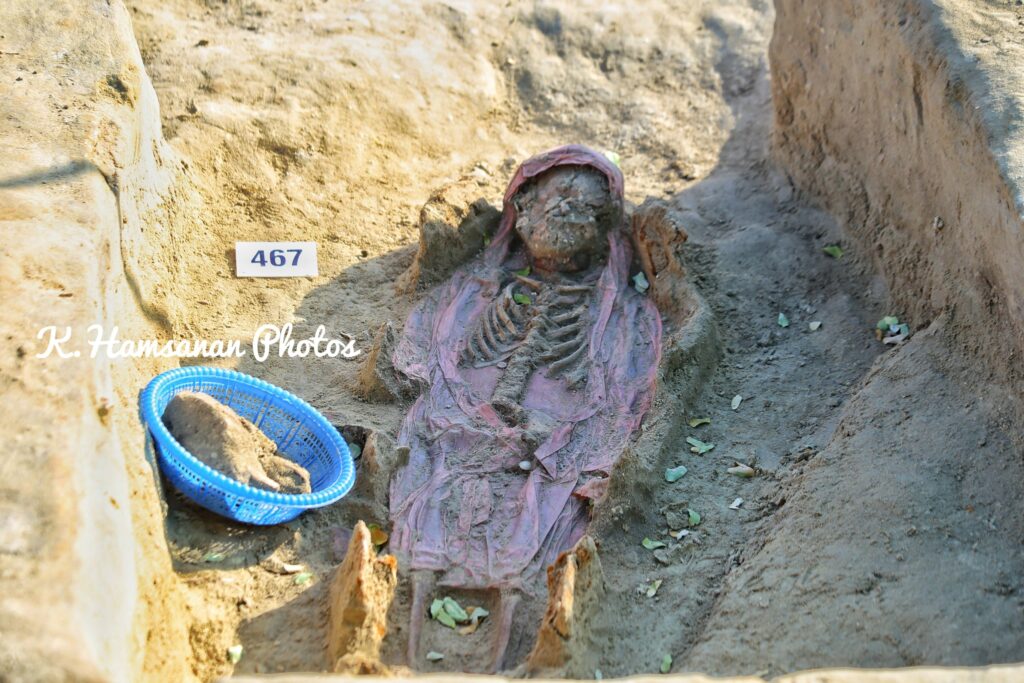
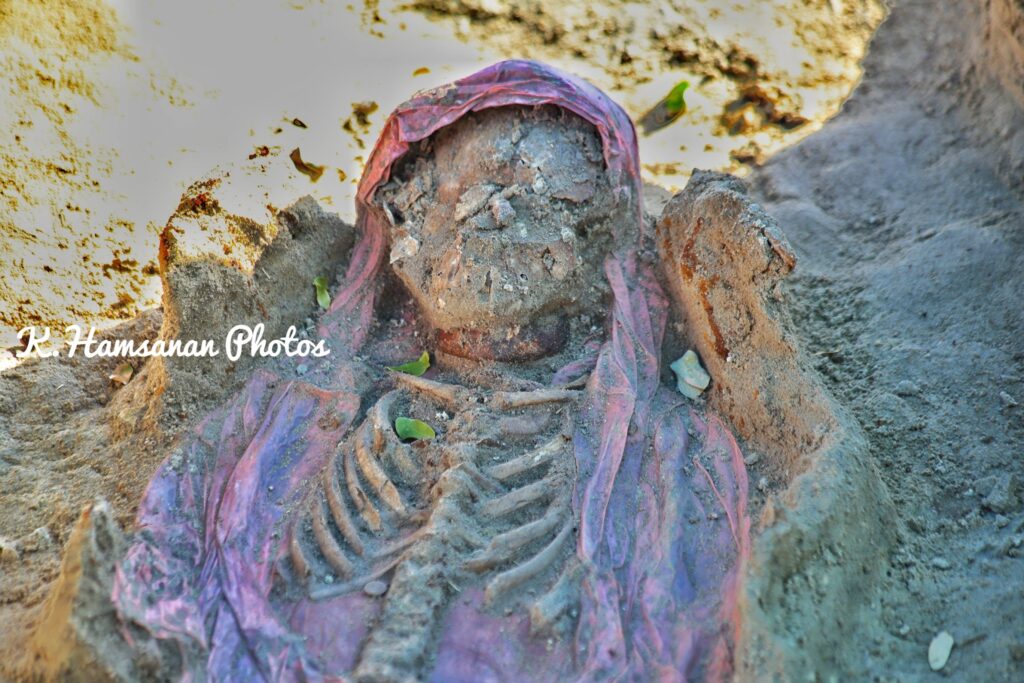
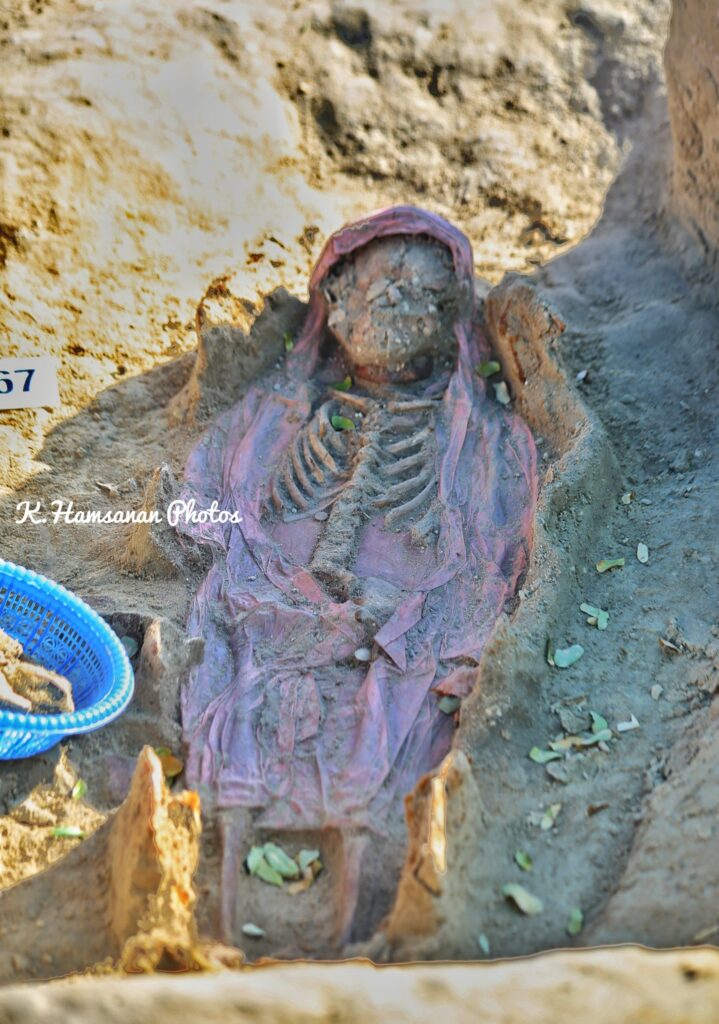
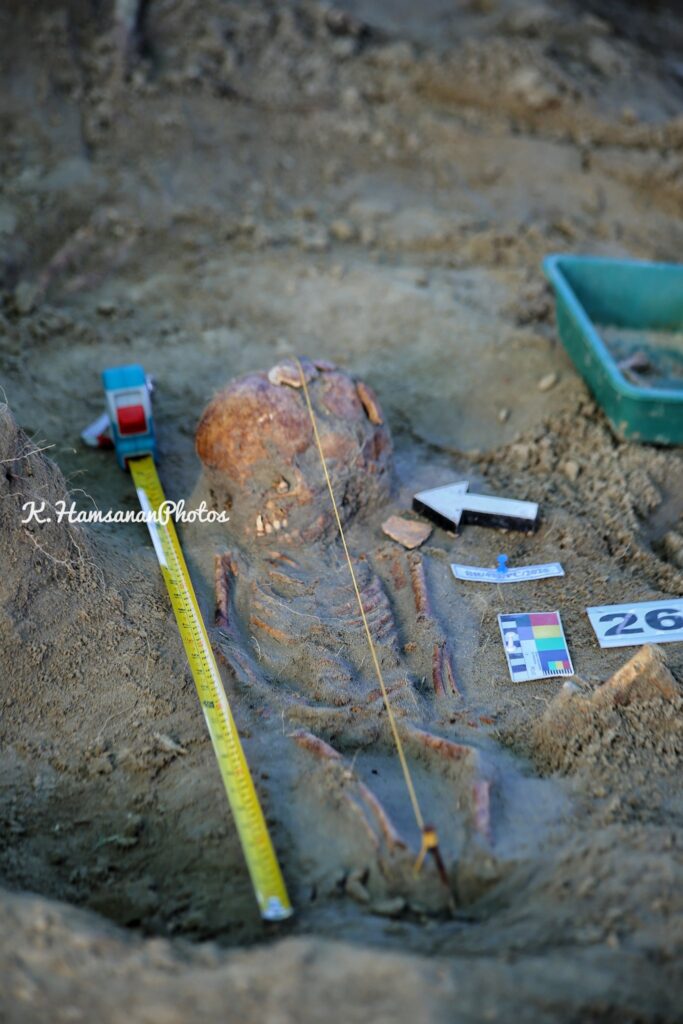
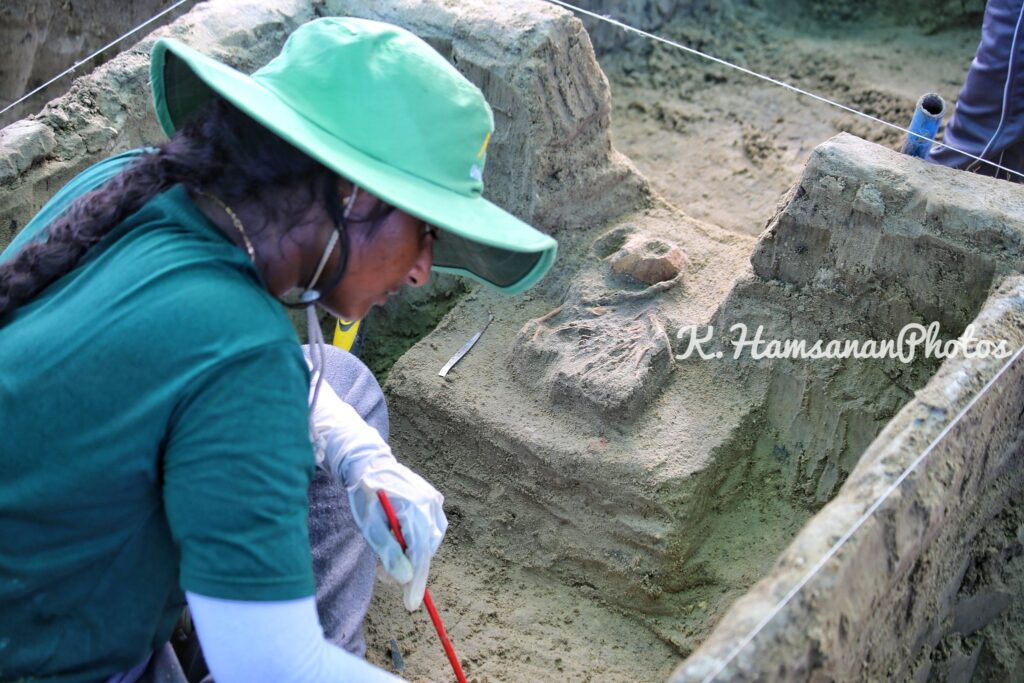
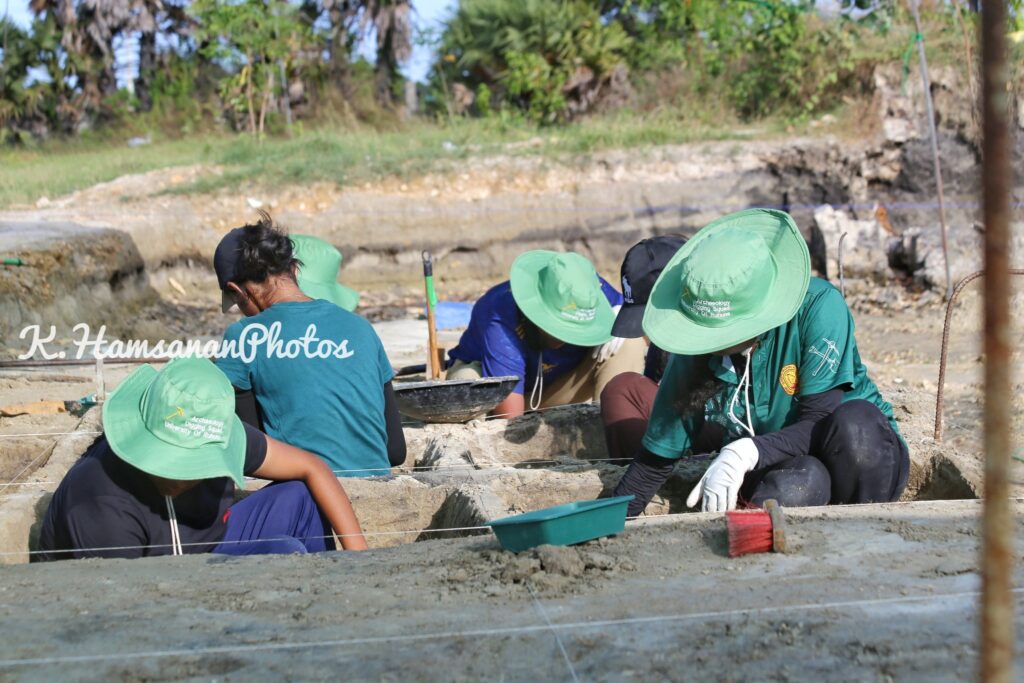
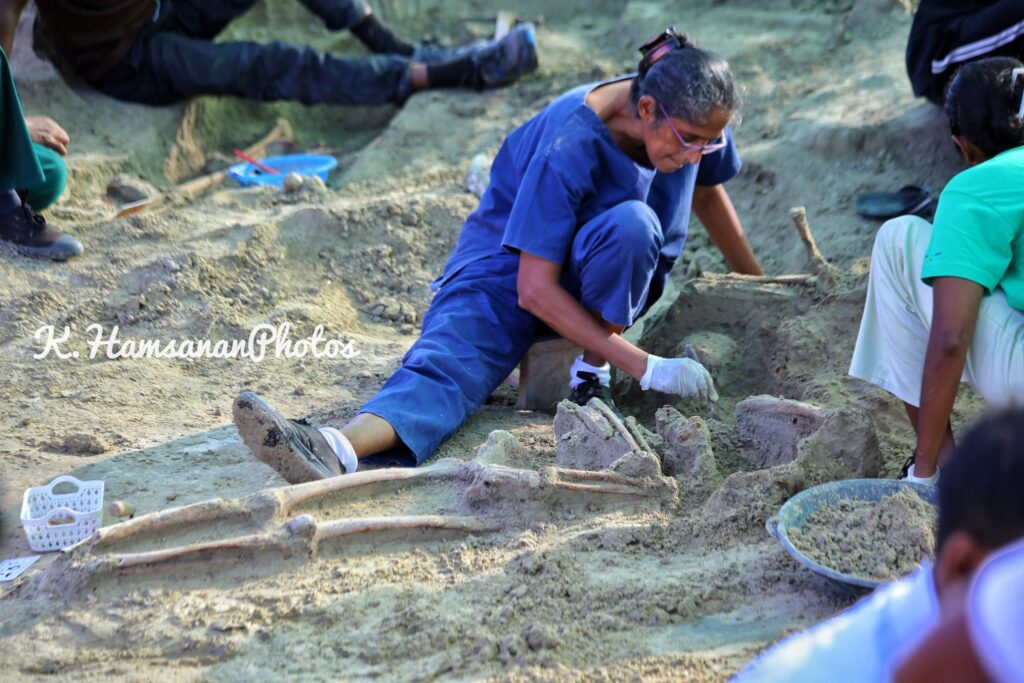
More than two decades later, the discovery of additional human remains during construction activities led the Jaffna Magistrate’s Court to order a comprehensive forensic excavation of the Chemmani site.
The renewed investigation is being conducted under judicial supervision with the involvement of forensic archaeologists, forensic medical specialists, and investigators.
Latest Update
During Phase 3 – Day 42 of the excavation on 24 July 2026, investigators identified one additional human skeleton.
Across all three phases of excavation:
- 479 human skeletons have been identified.
- All 479 sets of remains have been fully exhumed.
- Excavation work has been temporarily suspended and is scheduled to resume on 4 August 2026.
The scale of the discoveries has made Chemmani one of the largest forensic investigations connected to Sri Lanka’s civil conflict.
What the Excavations Have Revealed
Investigators have recovered a wide range of personal belongings alongside human remains, including:
- Clothing and footwear
- School bags
- Personal effects
- Everyday household items
These discoveries suggest that the victims include people of different ages and backgrounds. However, forensic experts emphasise that DNA analysis and scientific examination are essential before individual identities, ages, causes of death, or other conclusions can be confirmed.
The Continuing Call for Justice
Families of the disappeared, civil society organisations, and international human rights groups continue to call for:
- Independent DNA identification of all recovered remains.
- Transparent and court-supervised forensic investigations.
- Protection of evidence and witnesses.
- Criminal accountability where evidence establishes responsibility.
- Official recognition of enforced disappearances and the rights of victims’ families.
Many families have waited nearly three decades to learn the fate of missing relatives.
Why Chemmani Matters
For the people of Jaffna and the wider Tamil community, Chemmani has become a powerful symbol of the search for truth.
Beyond the legal investigation, it represents the enduring hope of families who continue to seek answers about loved ones who disappeared during the conflict.
As forensic work continues, Chemmani stands as a reminder that uncovering the truth is not only about recovering human remains—it is about restoring identity, dignity, and justice to those whose stories remain unfinished.
Timeline
1995 – Operation Riviresa brings the Jaffna Peninsula under Sri Lankan military control.
1995–1996 – Numerous allegations emerge of enforced disappearances and extrajudicial killings.
September 1996 – Krishanthi Kumaraswamy, her mother, brother and a neighbour are murdered.
July 1998 – Lance Corporal Somaratne Rajapakse alleges in court that hundreds of bodies were buried at Chemmani.
September 1999 – Court-ordered excavation recovers 15 skeletal remains.
2025 – New human remains discovered during construction lead to renewed judicial excavations.
July 2026 – Three phases of excavation result in 479 human skeletons being identified and exhumed.
4 August 2026 – Excavations are scheduled to resume.
Further Reading
- Human Rights Commission of Sri Lanka (HRCSL)
- International Commission of Jurists (ICJ)
- Amnesty International – Sri Lanka
- International Truth and Justice Project (ITJP)
- Court records relating to the Krishanthi Kumaraswamy case
- Official updates from the Jaffna Magistrate’s Court regarding the Chemmani excavations