
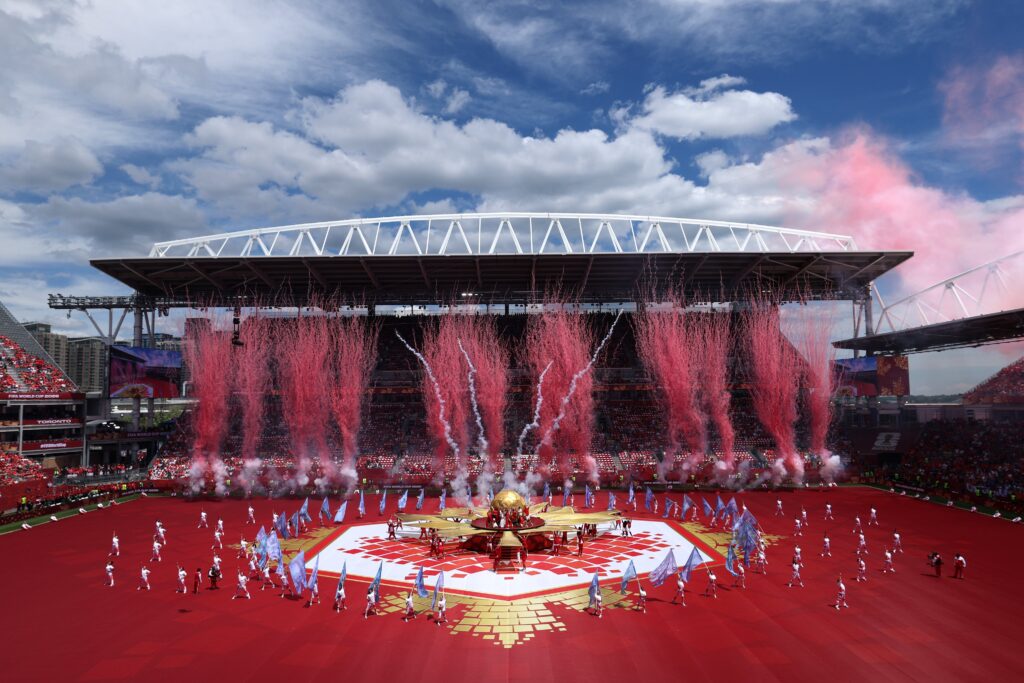
When the 2026 FIFA World Cup kicked off, the numbers told a staggering story: 1.2 billion people worldwide tuned in for the opening match. By comparison, the Super Bowl—often called the biggest annual sporting event in the United States—draws roughly 125 million viewers globally.
That’s not just a difference in scale—it’s an entirely different universe of audience reach.
The Numbers: A Gap That Speaks Volumes
The contrast is impossible to ignore. The World Cup opener reached nearly 10 times more people than the Super Bowl. To put it simply:
- 1.2 billion viewers is roughly 15% of the entire global population.
- 125 million viewers is less than 2% of the world’s people.
Even within the United States, the Super Bowl remains a cultural juggernaut—usually drawing over 100 million domestic viewers. But internationally, its appeal is far narrower. American football is rarely played or followed outside North America, meaning most of the world has little connection to the sport or its biggest game.
Football (soccer), on the other hand, is the world’s game. It is played, watched, and loved in every country, every continent, and every culture. The World Cup isn’t just a tournament—it’s a global celebration that unites nations, transcends borders, and speaks a universal language.


Why the World Cup Is in a League of Its Own
Several factors explain this massive gap:
1. Global Popularity
Soccer is played by over 250 million people in more than 200 countries. It is the most accessible sport in the world—all you need is a ball and open space. American football, by contrast, is highly specialized, requires expensive equipment, and has never gained widespread traction outside the US and Canada.
2. Frequency and Format
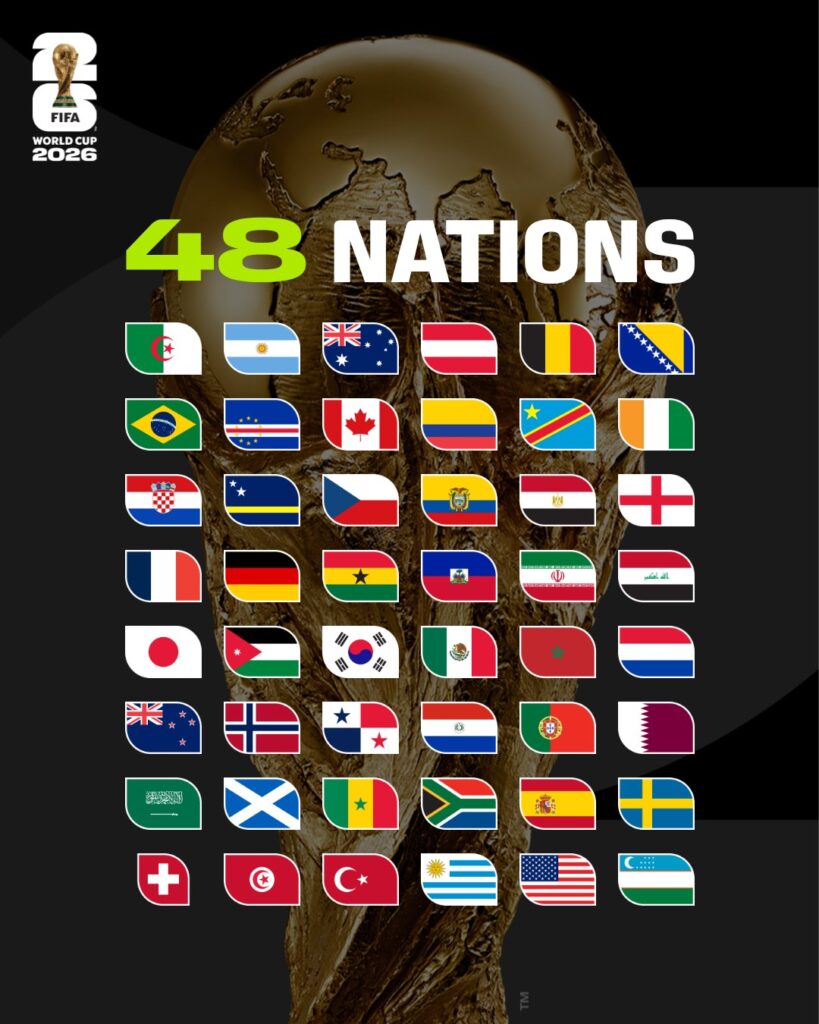
The World Cup happens only every four years, building years of anticipation. It features 48 nations in 2026, representing billions of people and diverse cultures. The Super Bowl is an annual event, limited to just one country’s league, with a format that is unique and often confusing to new audiences.
3. Cultural and Emotional Connection
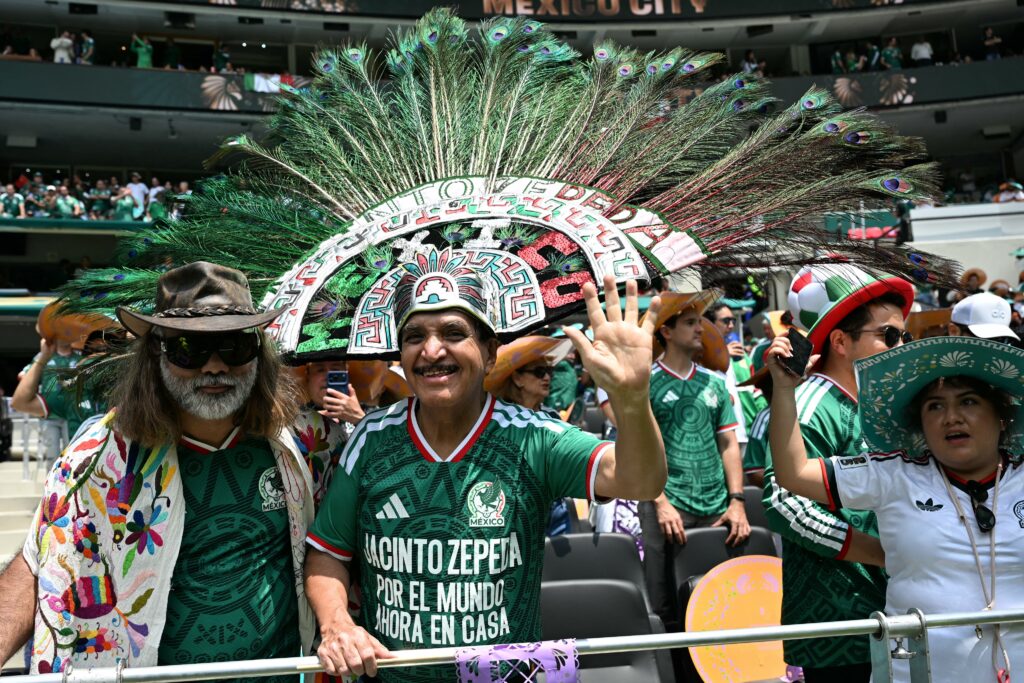
For billions, the World Cup is more than sport—it’s national pride, history, and shared identity. When a country plays, the whole nation stops. Streets empty, flags fly, and communities gather. The Super Bowl is a massive cultural event in America, but it does not carry that same emotional weight or global resonance.
4. Broadcast and Access
World Cup matches are broadcast in over 200 territories, often free-to-air or on widely available channels. The Super Bowl is mostly available only in North America, with limited or paid coverage elsewhere.
What This Means for Sports and Entertainment
These numbers aren’t just about views—they show what it truly means to be a global event. The Super Bowl is a king in its own territory, generating record-breaking ad revenue and cultural moments. But the World Cup is the undisputed heavyweight champion of the world.
1.2 billion vs. 125 million. It’s not just a statistic—it’s proof that nothing brings the world together quite like football.