Date: June 11, 2026 | Source context: The Guardian, plus international football reports
Omar Artan was set to make history: the first referee from Somalia ever appointed to officiate at a FIFA World Cup. But his dream was shattered at Miami International Airport, where US border officials denied him entry despite his valid visa and official FIFA documentation. Now, days after being sent home, European football’s governing body UEFA has handed him a major consolation prize — the whistle for the 2026 UEFA Super Cup.
What happened in Miami?
The 34-year-old, named CAF Referee of the Year in 2025, arrived in Florida on June 6 to join the tournament’s pre-competition training hub. Instead, he was detained for 11 hours, questioned extensively, declared “inadmissible” under US immigration rules, and put on a flight back to Istanbul. US authorities cited “vetting concerns” and alleged links to suspected terrorist associates — claims Artan has firmly rejected, saying he has never had connections to any extremist groups.
Somalia remains on the US travel restriction list introduced in late 2025, a policy critics say disproportionately affects African and Muslim-majority nations. FIFA confirmed it could not override US border laws and removed Artan from the official roster, despite describing his selection as recognition of world-class ability.
UEFA’s gesture of solidarity
Just days later, UEFA President Aleksander Čeferin announced Artan would referee the Super Cup clash between Champions League winners Paris Saint-Germain and Europa League holders Aston Villa on August 12 in Salzburg.
“Football exists to connect people,” Čeferin said in a statement. “We want to honour Omar’s outstanding record and the hard work that earned him a place at the World Cup. We stand together with our colleagues at CAF to show that talent should not be blocked by borders.”
CAF President Patrice Motsepe called the decision “a powerful message”: “Omar made Africa proud. This appointment proves that his skills are respected globally, regardless of where he comes from.”
Reaction and wider debate
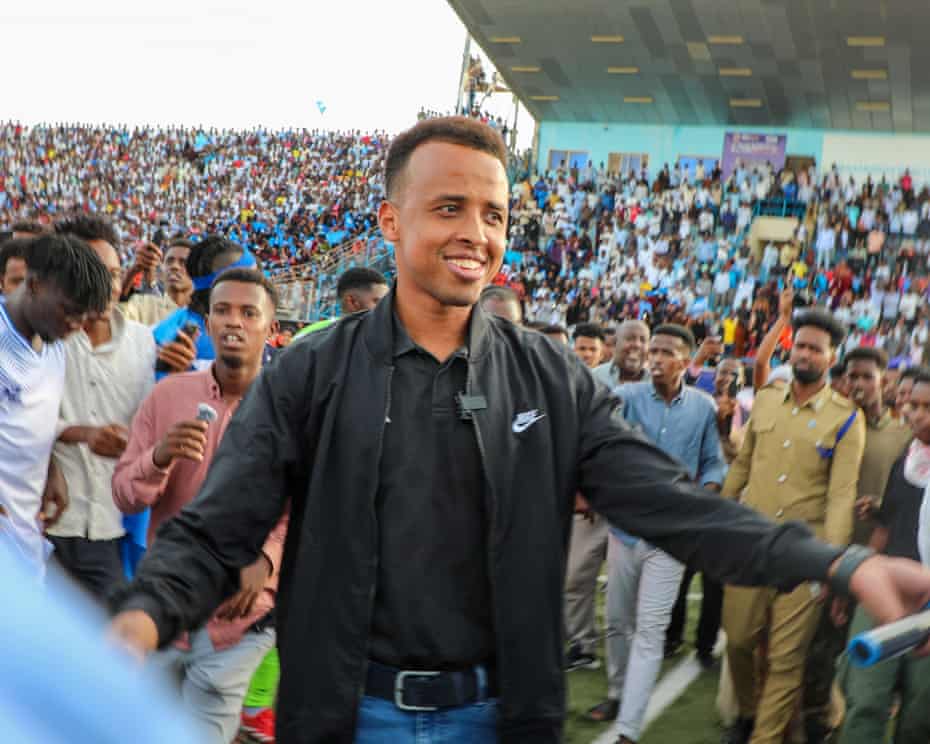
Artan, who received a hero’s welcome on his return to Mogadishu, said: “I am deeply disappointed I couldn’t officiate at the World Cup — it was the biggest honour of my career. But I thank UEFA for this incredible opportunity. I will give my absolute best in Salzburg.”
The case has reignited debate over the intersection of politics and sport. Critics argue travel bans risk excluding qualified officials from major events, while US officials maintain security protocols must be enforced consistently.
While the World Cup stage was denied him, Artan’s Super Cup appointment makes history in its own right: he will become the first referee from outside Europe to take charge of the fixture since it began in 1973.