A historic milestone in football has been dashed after Omar Artan — set to make history as the first referee from Somalia to take charge of matches at a men’s World Cup — was denied entry to the United States and will no longer be part of the 2026 tournament.
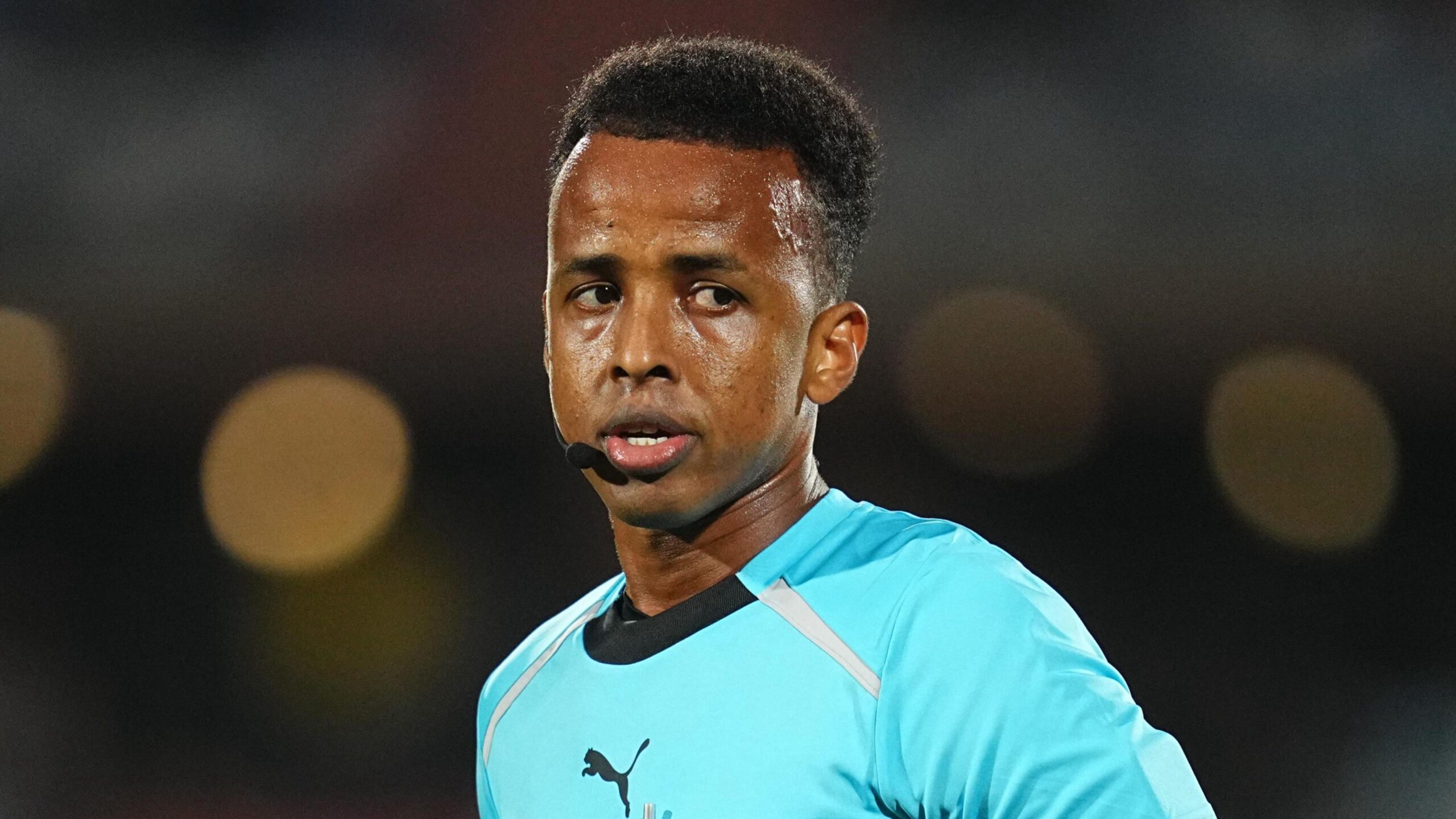
FIFA confirmed the news in an official statement issued on Monday, confirming that Artan “will be unable to train and officiate at the FIFA World Cup 2026”. The governing body placed responsibility for the decision firmly with US authorities, noting: “We were informed by authorities that Mr Artan’s status will not be changed at present.”
FIFA went on to clarify its position regarding immigration rules: “FIFA is not involved in host country immigration processes, including visa adjudications. In line with previous FIFA events, a host government ultimately determines who receives a visa and who is admitted into their country.”
Artan was refused entry at Miami International Airport over the weekend, even though it is understood he held a valid travel visa. Somalia is among several countries covered by a broad travel ban introduced during the Trump administration, though the exact reasons for the denial have not been made public.
The decision has drawn strong criticism from Somali officials and football figures alike. Ciise Aden Abshir, a senior adviser to Somalia’s Ministry of Youth and Sports and former captain of the national team, called for global solidarity: “Omar Artan is among Africa’s most respected referees and deserves the support of the entire football community.”
He added: “Denying him entry to the US and preventing him from officiating scheduled matches harms not only him personally but also undermines football’s commitment to fairness, merit, and the spirit of fair play.”
The case has sparked wider debate about how political and immigration policies intersect with international sport, raising important questions about whether eligibility to take part in the world’s biggest football tournament should be subject to such restrictions.